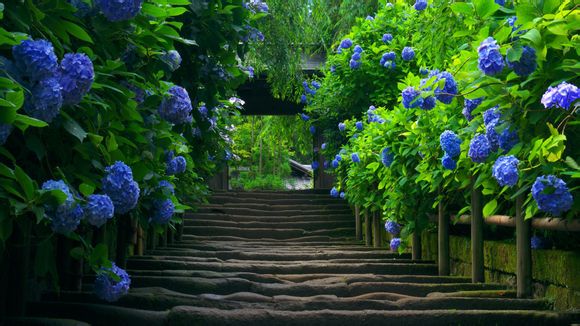
一、Scenery的含义及用法
Scenery,这个词对于学习英语的人来说并不陌生。它通常指的是风景、景色,是描绘自然美景的重要词汇。在中文翻译中,我们可以将其直译为“风景”,但在不同的语境下,其含义和使用方式也会有所变化。
二、Scenery的具体含义
- 自然风景 Scenery通常用来指代大自然的美丽景色,如山水、湖泊、森林等。在描述这类场景时,我们可以使用Scenery来强调其自然、宁静和美丽的特点。
例句:I love to take a walk in the scenery of the mountains and enjoy the fresh air.
我喜欢在山景中散步,享受清新的空气。
- 建筑景观 除了自然风景,Scenery也可以用来描述城市建筑、园林等人工景观。这时,它强调的是景观的美丽和艺术性。
例句:The scenery of the city at night is very beautiful, with colorful lights and tall buildings.
夜晚的城市景观非常美丽,五彩缤纷的灯光和高楼大厦交相辉映。
- 艺术**中的风景 在艺术**中,Scenery可以指代画家、摄影师等创作的描绘自然景观或人工景观的**。
例句:The painting is a beautiful scenery of a spring morning, with blooming flowers and clear sky.
这幅画描绘了一个春天的早晨,鲜花盛开,天空晴朗。
三、Scenery的用法
- 名词 Scenery作为名词,可以单独使用,也可以与其他名词或形容词搭配。
例句:The scenery of the countryside is very charming. 乡村的风景非常迷人。
- 动词 Scenery还可以作为动词使用,表示“描绘风景”。
例句:The writer sceneryd the beautiful landscape of the lake in his novel. 作者在**中描绘了湖光山色的美丽景色。
四、Scenery与相关词汇的区别
- Scene Scene与Scenery的区别在于,Scene通常指戏剧、电影、**等艺术**中的一段场景,而Scenery则指具体的自然或人工景观。
例句:The scene of the battlefield was very惨烈. 战场的场景非常惨烈。
- View View与Scenery的区别在于,View侧重于从某个角度或位置看到的景色,而Scenery则强调整体的自然或人工景观。
例句:From the top of the mountain, the view of the city is breathtaking. 从山顶望去,城市的美景令人叹为观止。
五、Scenery的常见搭配
- Scenery and culture 风景与文化
例句:The scenery and culture of this city attract many tourists every year. 这座城市的风景与文化每年都吸引着众多游客。
- Scenery and history 风景与历史
例句:The scenery and history of this ancient town make it a must-visit destination. 这个古镇的风景与历史让它成为必游之地。
六、总结
Scenery作为一个常用的英语词汇,在描述自然或人工景观时具有丰富的含义和用法。通过了解其含义、用法以及与其他相关词汇的区别,我们可以更加准确地运用这个词汇,为我们的写作和口语表达增添色彩。那么,你对Scenery这个词还有什么疑问吗?
Q:Scenery和view有什么区别? A:Scenery侧重于整体的自然或人工景观,而view则侧重于从某个角度或位置看到的景色。
Q:Scenery在句子中可以作为动词吗? A:是的,Scenery可以作为动词使用,表示“描绘风景”。
Q:Scenery在写作中有什么作用? A:Scenery在写作中可以用来描绘美丽的景色,增强文章的生动性和**力。